Our upcoming pyrolysis facility is designed to convert regional wood waste into traceable biochar, syngas and heat — every reactor parameter measured, logged and verified with the same discipline we bring to research laboratories.
Every year, sawmills, municipalities and land-clearing operations dispose of enormous volumes of wood waste — landfilled, burned open-air, or left to decompose and release carbon. Pyrolysis changes that equation: heating biomass in an oxygen-free environment locks carbon into a stable, useful solid instead of releasing it to the atmosphere.
Kineticore's advantage is measurement. A biochar product is only as valuable as its documented process — and process documentation is precisely what we have built our company on.
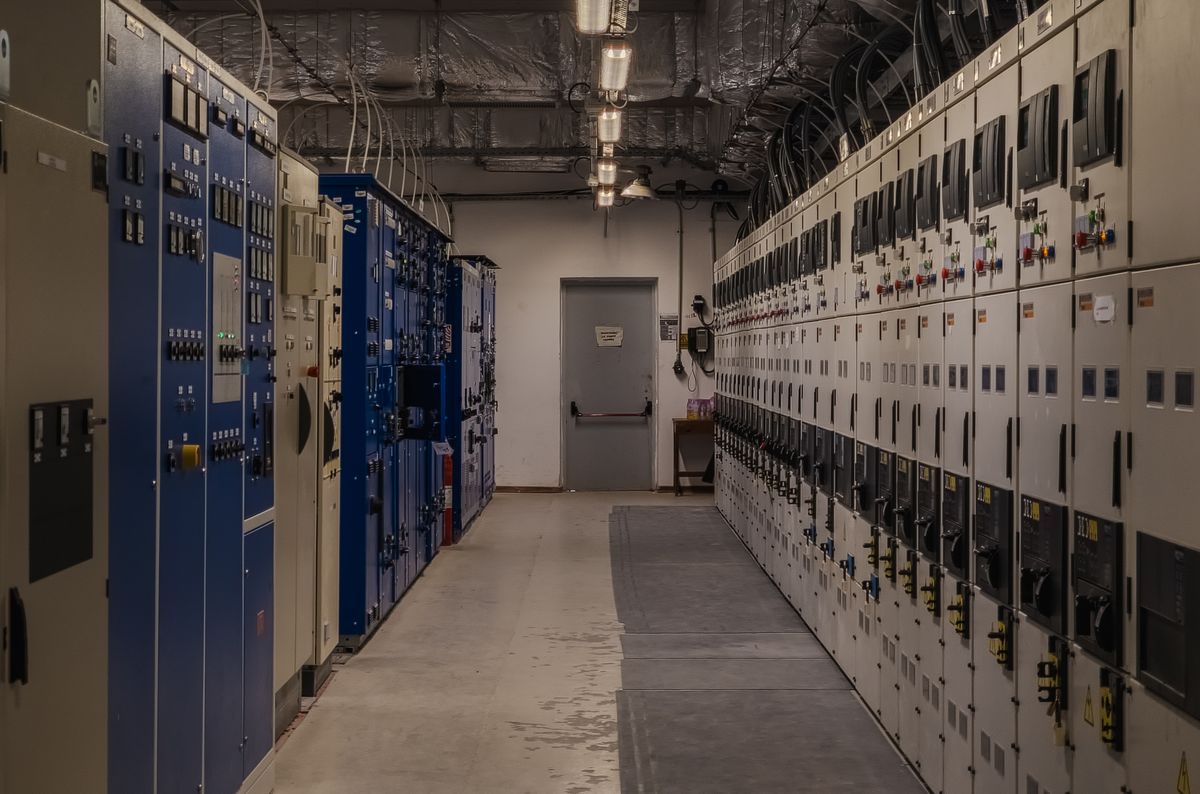
From raw residue to finished carbon product — each stage is monitored by Kineticore DAQ hardware.
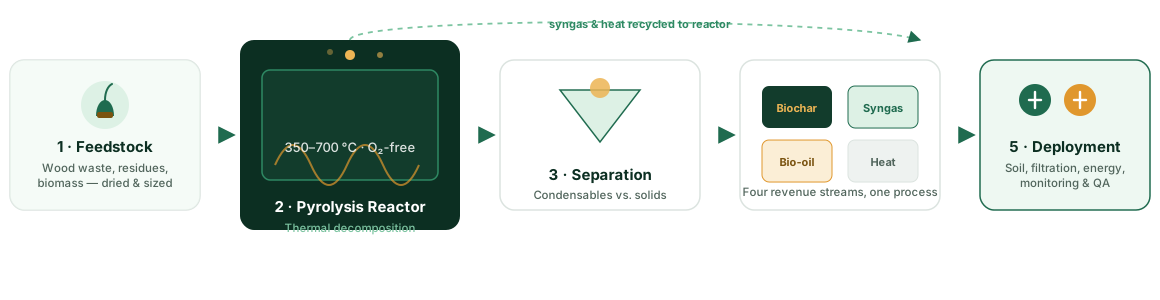
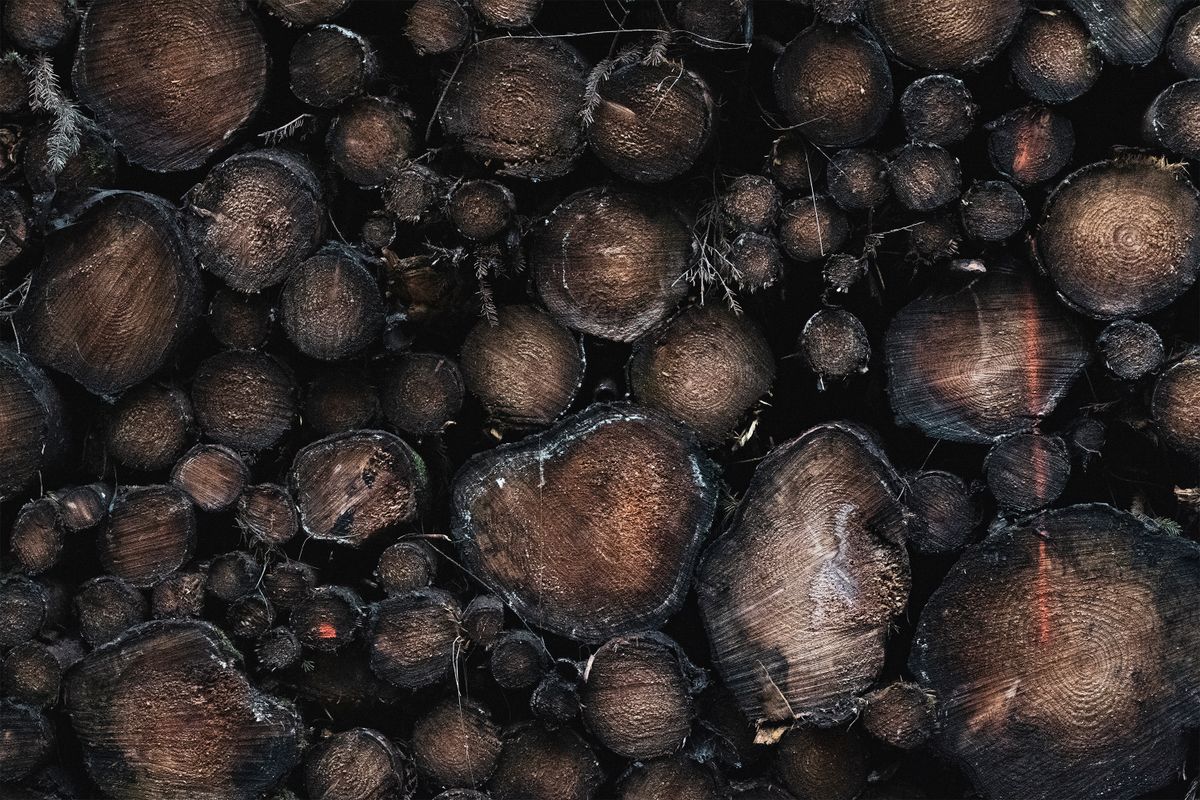
Wood waste is received, screened for contaminants, dried and sized to consistent specifications.
Biomass is heated to 350–700 °C in an oxygen-free reactor. Solids, condensables and gas separate.
Vapors are condensed into bio-oil; non-condensable syngas is captured; char is cooled under controlled conditions.
Each batch is sampled and characterized — moisture, carbon content, pH, particle size — before release.
Finished biochar is packaged and shipped with its batch record, ready for soil, filtration or industrial use.
Our primary product: stable carbon for soil amendment, filtration, construction materials and carbon removal credits. Sold with per-batch lab documentation.
Non-condensable gases (CO, H₂, CH₄) are captured and recycled to fuel the reactor — minimizing external energy input.
Condensed wood vinegar and tar fractions with potential as bio-based feedstock, soil conditioner or preservative.
Reactor surplus heat is recovered for feedstock drying and facility heating — closing the energy loop.
We are building the Kineticore Biochar Facility in staged phases, applying the same engineering-first methodology to the plant that we apply to every instrument we deliver.
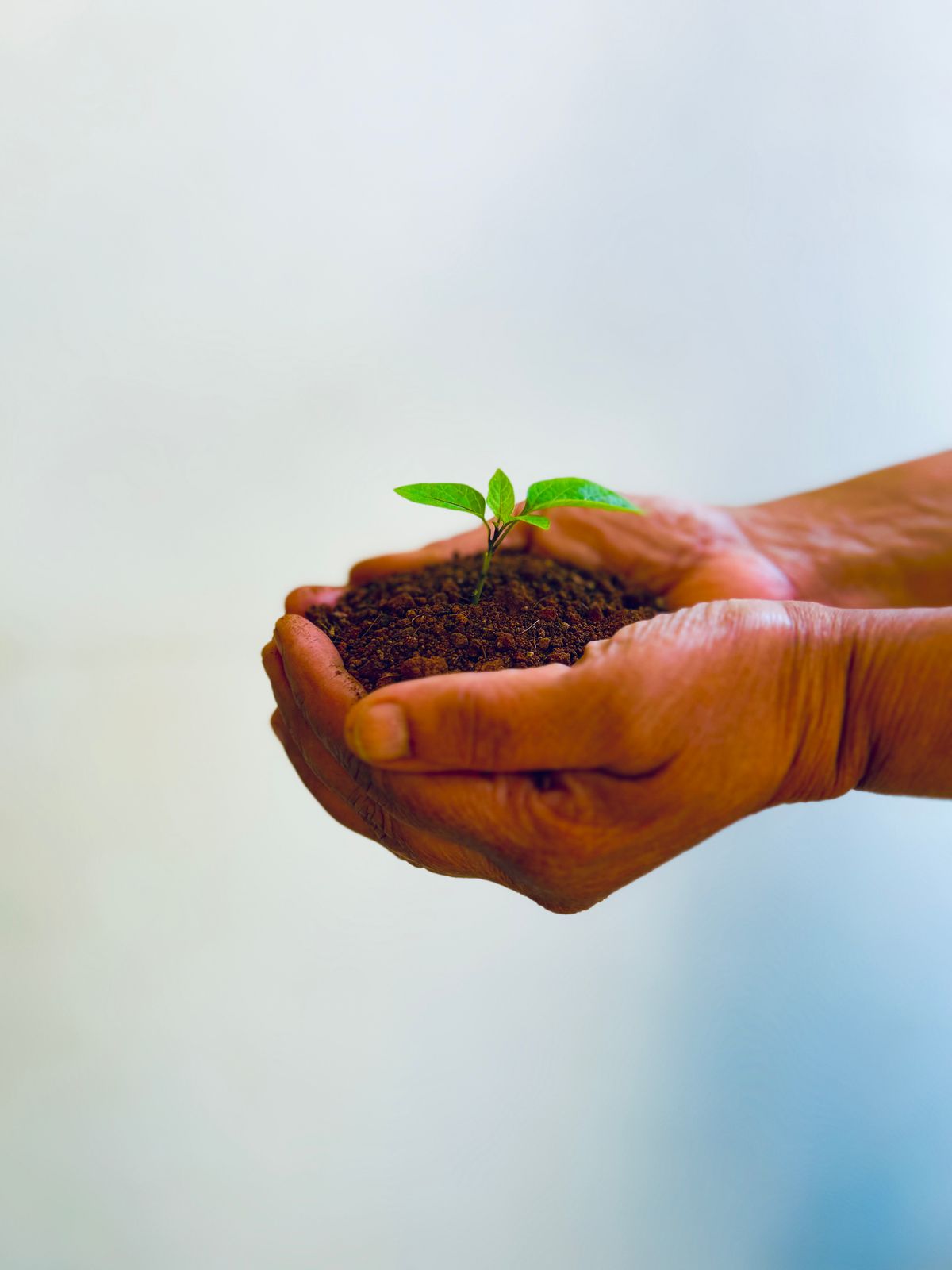
Biochar's porous carbon structure makes it one of the most versatile environmental materials available.
We're building partnerships on both sides of the reactor — feedstock suppliers and biochar customers.